Impact of the Strait of Hormuz Blockade on Glass Bottle Manufacturing
The Strait of Hormuz blockade will impact glass bottle manufacturers from five dimensions: energy, raw materials, logistics, production, and orders, with the core impacts being soaring costs, unstable supply, and delayed deliveries.
I. Soaring Energy Costs (The Most Direct Impact)
Glass bottle production is highly dependent on natural gas, petroleum coke, and electricity, with fuel costs accounting for 30%–50% of total costs.
The blockade has driven up crude oil and natural gas prices, with European natural gas prices surging by over 60% in the short term, directly increasing overall costs by 15%–20%.
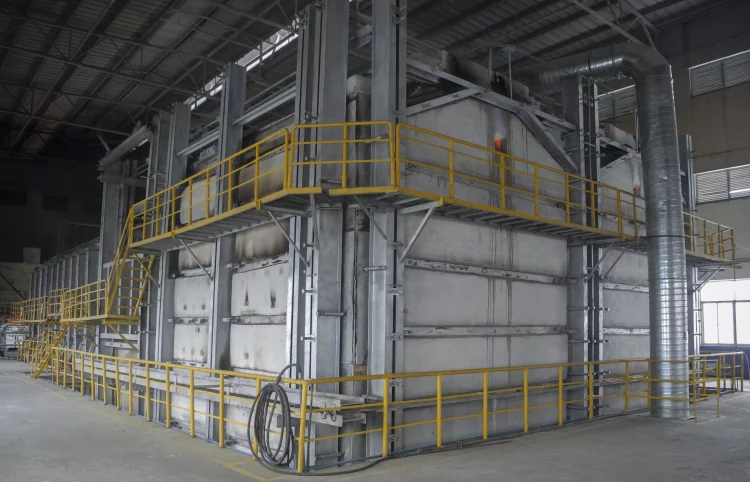
Glass melting furnaces require continuous high temperatures of over 1500°C and cannot be shut down arbitrarily, so rising energy costs directly erode profits.
II. Supply and Price Shocks for Key Raw Materials
- Quartz sand: The Middle East is the main producing region of high-purity quartz sand (accounting for about 60% of the global total). Supply disruptions have led to a price jump of over 18%.
- Soda ash: With high import dependence, disrupted maritime shipping has caused delayed deliveries and rising prices.
- Methanol: Iran is the world’s second-largest methanol exporter (accounting for about 45% of China’s imports). Prices have risen by 15%–30%, affecting the production of special and photovoltaic glass.
The risk of raw material supply disruptions has increased, forcing enterprises to rush to purchase goods at high prices, switch suppliers, and increase inventories, further driving up costs.
III. Comprehensive Pressure on Logistics and Supply Chains
Shipping companies have suspended passage and are rerouting around the Cape of Good Hope, increasing voyage duration by 15–20 days. Freight rates have risen by 300%–400%, and war risk premiums have surged by 300%–600%.
Container capacity shortages and port congestion have delayed the arrival of raw materials at factories and hindered the shipment of finished products, leading to longer delivery cycles and increased default risks.
Regional supply chain disruptions: Local glass factories in the Middle East have reduced or suspended production, disrupting the global division of labor.
IV. Chain Reactions in Production
Under cost pressure, enterprises have been forced to limit production, raise prices, and compress profits, with small and medium-sized factories facing cash flow pressures.
Due to the continuous production nature of glass melting furnaces, shutting down and restarting them is extremely costly and time-consuming. Unstable energy and raw material supplies can easily lead to quality fluctuations and increased defect rates.
Rising costs across the entire chain, including packaging, transportation, and labor, are squeezing profit margins.
V. Impacts on Orders and the Market
Demand from downstream industries such as food and beverage, pharmaceuticals, and daily chemicals has contracted, and orders have been postponed, leading to a decline in enterprise operating rates.
Price transmission is lagging, making it difficult to raise end-product prices, and profits are being squeezed from both ends.
The restructuring of global supply chains is accelerating regional, near-shore, and diversified layouts, which will change the competitive landscape in the long term.
21
Our factory still uses traditional coal fuel to produce coal gas as fuel, and our main supply chain comes from domestic sources with stable supply. In addition, after more than a year of testing, our company can produce lightweight glass bottles with significant advantages in production costs. Overseas customers are welcome to contact us for inquiries and negotiations.